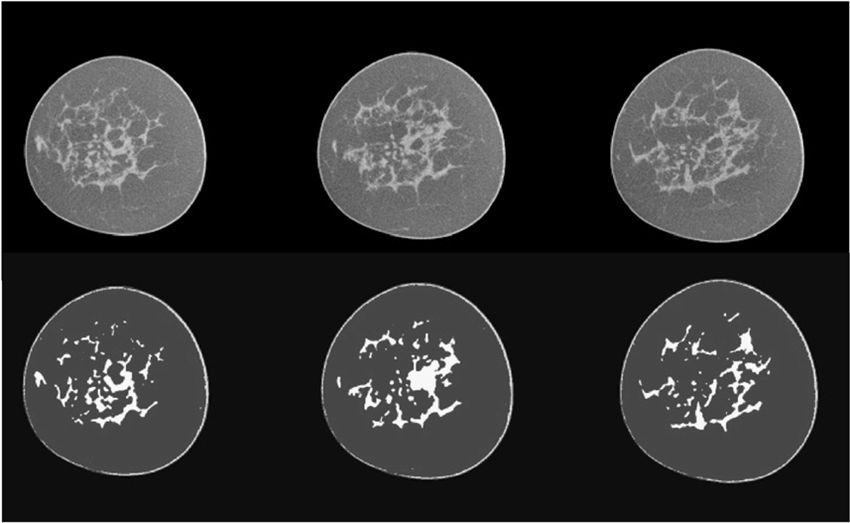
1. AI-Enhanced CT Image Denoising
Koning needed a way to lower radiation dose without compromising diagnostic clarity which is a key requirement for patient safety and clinical accuracy. CtrlCV delivered an advanced AI denoising engine that preserves fine breast anatomy while removing noise, enabling images captured at 300 projections (low dose) to achieve clarity comparable to a 1500-projection reconstruction —up to three times clearer without increasing radiation. Unlike traditional smoothing techniques, our AI distinguishes true anatomy from noise, producing sharper, more reliable scans. This directly results in higher diagnostic confidence, improved patient safety, and a substantial upgrade in image quality across Koning’s 3D Breast CT system.
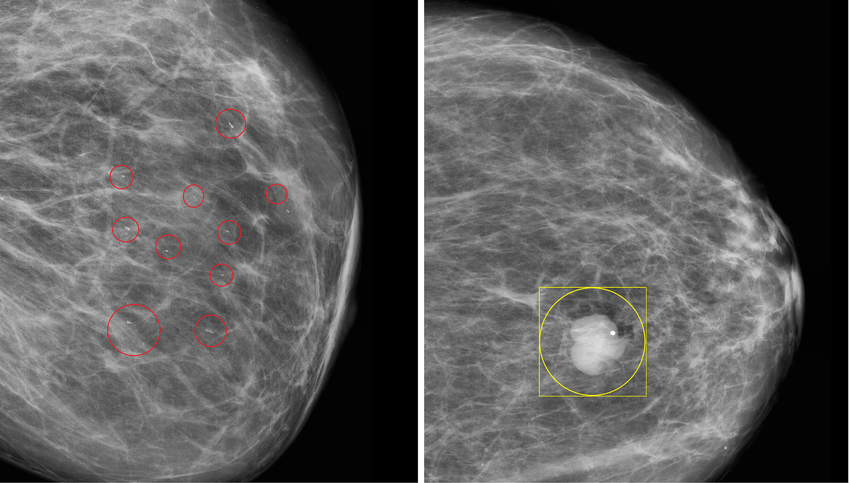
2. Automated CT Calcification Detection
Manual calcification review is slow, subjective, and clinically inconsistent. CtrlCV developed an AI-powered detection system that automatically identifies and measures both micro- and macro-calcifications, delivering consistent, objective, and rapid analysis. By converting a traditionally repetitive expert task into a reliable automated workflow, Koning benefits from faster reporting, reduced radiologist workload, and more standardised diagnostic outcomes which is a key advantages for clinical adoption and operational efficiency.
3. CT Image Simulation for Research and System Development
Access to large, annotated medical datasets is a major bottleneck for innovation. CtrlCV built a high-fidelity CT simulation engine that generates realistic synthetic scans based on X-ray physics and scanner geometry. This enables Koning to test algorithms, train models, and validate improvements without waiting for new patient data, dramatically accelerating research and development cycles. The result is a faster, lower-cost innovation pipeline that empowers engineers to iterate rapidly and explore new imaging strategies with ease.
4. Precise CT Image Registration
Accurate scan comparison is essential for tracking disease progression, but variations in positioning make alignment difficult. CtrlCV developed a high-precision registration framework that aligns 3D breast CT scans into a shared anatomical reference with dramatically improved efficiency and consistency. Across multiple patient tests, registration time achieved an approximate 89% speed improvement while alignment quality also increased, supporting clearer longitudinal comparisons and more confident clinical interpretation. This enhancement delivers faster workflows, more consistent results, and stronger clinical value for Koning’s imaging pipeline.
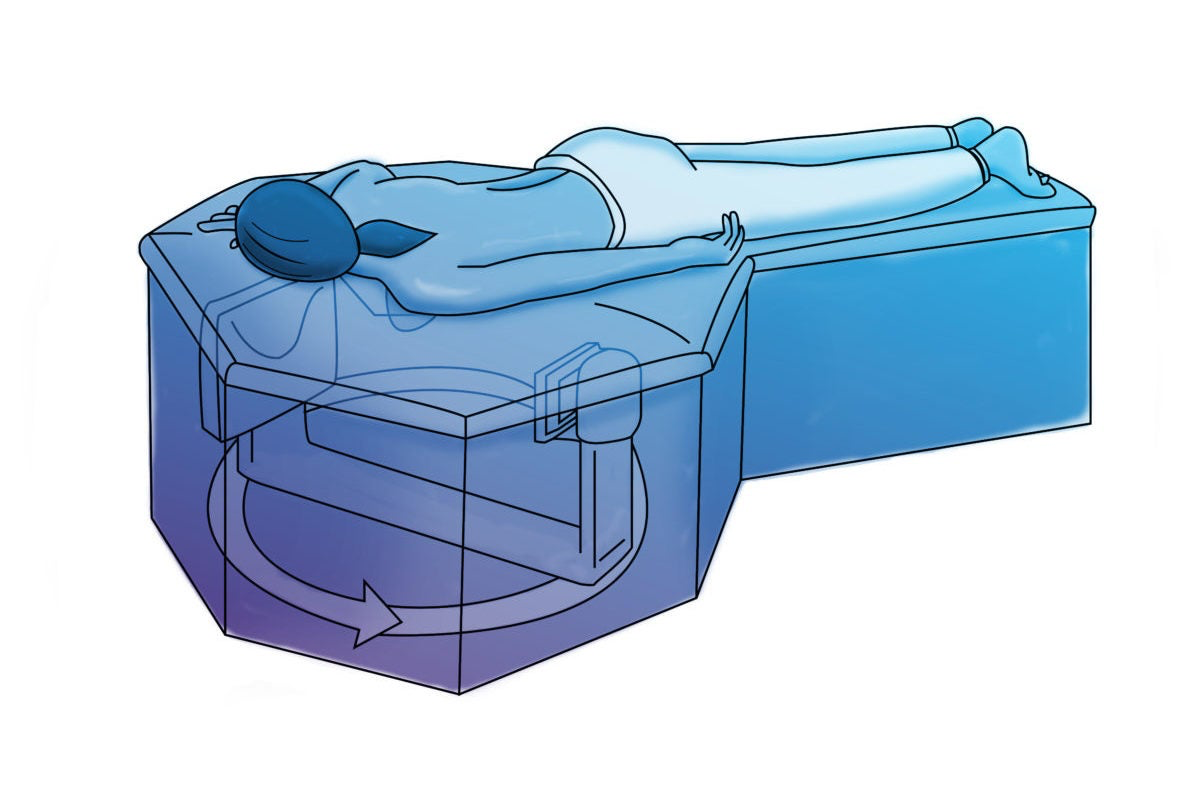
5. Reconstruction Acceleration
Koning’s legacy reconstruction code was not optimised for modern hardware, limiting throughput. CtrlCV re-engineered the reconstruction workflow to fully leverage GPUs and multi-core systems, delivering a significant speedup of 74% because the system is able to fully utilise the current hardware. This optimisation allows Koning to process 3D breast CT scans far more efficiently, enabling higher patient throughput, reduced operational cost per scan, and a more scalable imaging platform ready for commercial growth.